
Visitor Data Ingestion
Arrivals and visitor records enter through forms, APIs, or configured integrations so monitoring can start without a paper trail.
Platform
HealthRadar is built for the operational work of public-health surveillance: ingesting visitor data, running monitoring programmes, classifying risk, managing cases, and giving authorities a single view of response.

Arrivals and visitor records enter through forms, APIs, or configured integrations so monitoring can start without a paper trail.

Scheduled questionnaires reach visitors on channels they already use. Teams see delivery and response status, not a pile of phone notes.
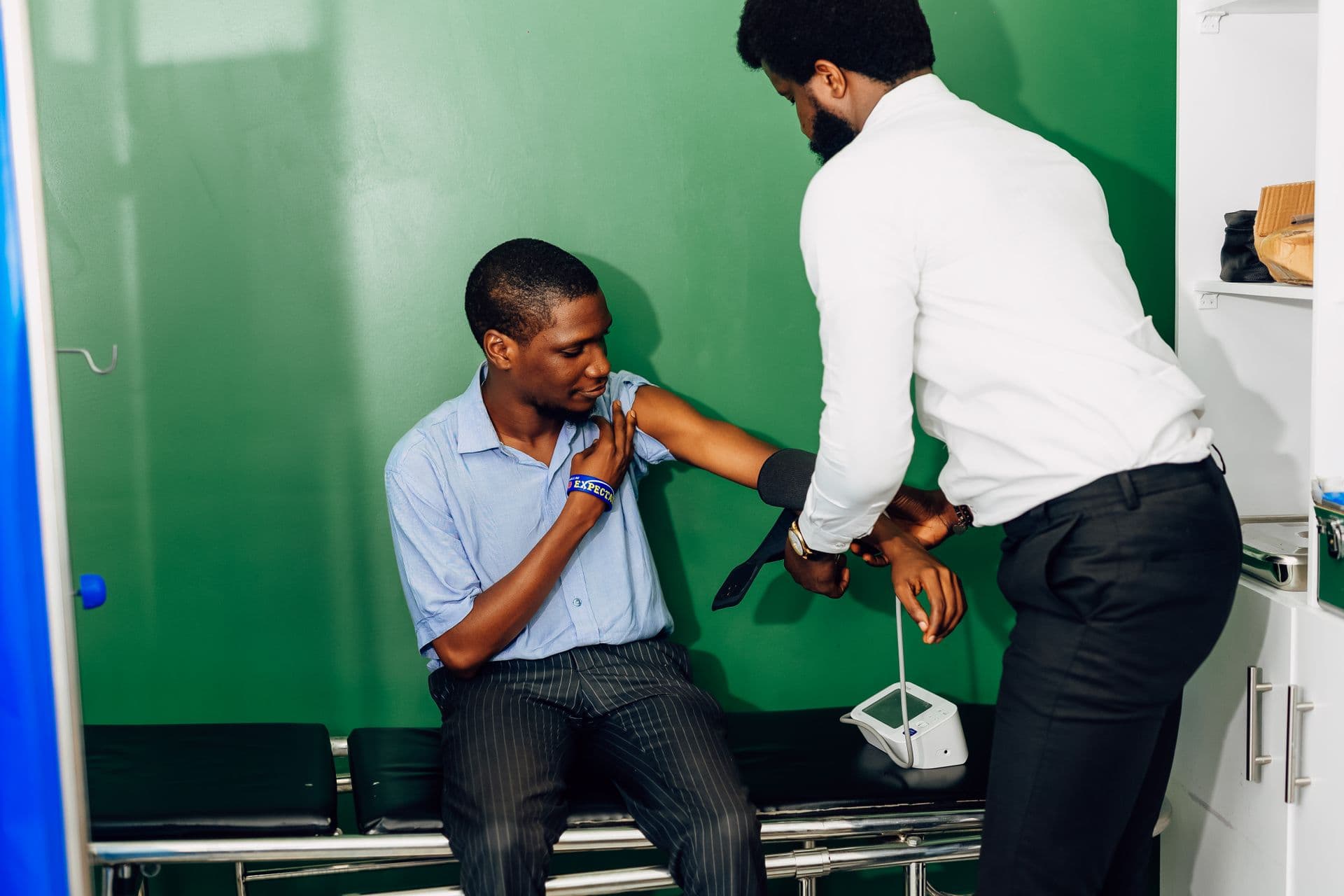
Flagged cases route to available clinicians for conversation, documentation, referral, or closure, with the programme still in view.
The full capability set, from the first ingested record to the audit trail behind it.
Bring arrivals and visitor records in through forms, APIs, attendance systems, or configured integrations so programmes start from a complete picture.
Enrol eligible visitors into the right monitoring window and keep the programme running without a spreadsheet of follow-up calls.
Deliver scheduled health check-ins on channels people already use, with delivery status visible to operations teams.
Evaluate responses into surveillance categories and risk levels so teams see what needs attention. The system assists triage; clinicians remain responsible for follow-up and clinical judgement.
Convert symptomatic replies and missed check-ins into cases with ownership, status, and a clear path to resolution.
Route cases to available healthcare professionals for conversation, documentation, escalation, or closure.
Hand cases to designated facilities when in-platform follow-up is not enough, with a record of why and where.
See aggregated activity at LGA and community level so commanders know where attention is concentrating, without exposing individual locations.
Measure compliance, response time, case volume, missed check-ins, and programme completion for operational review.
Notify the right officers when risk thresholds are met so delayed reporting does not become delayed response.
Administrators, surveillance officers, and doctors see the work that belongs to them, not the entire operational record.
Keep a durable record of access and actions so programmes can demonstrate control over sensitive public-health data.
See the operating sequence in How it works.
We walk through monitoring, classification, case routing, and the operational views your team would use.